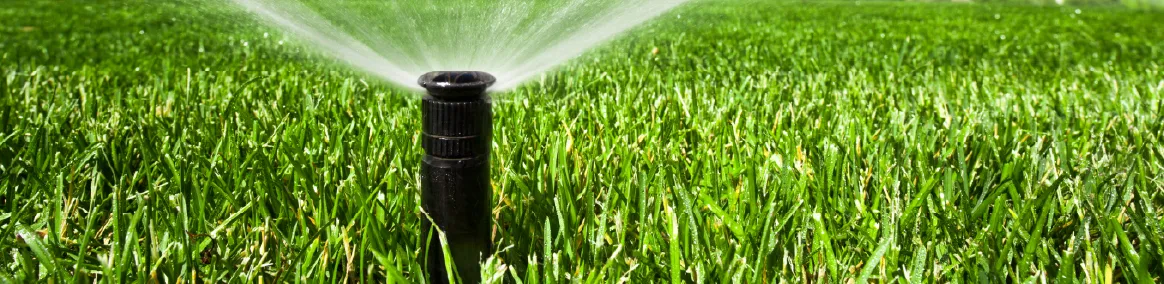
Is there such thing as a waterwise lawn? The answer depends on what part of the country you live in, what type of lawn you have, and how you care for it.
When planted with thoughtful design, lawns can be a beautiful and practical addition to the landscape. But, they also require more water and care than many other plants. Small changes to your lawn’s annual maintenance will save you water, time, and money.
If you’d rather make the switch to a lawn alternative and ditch all or part of your lawn, you have options! There are many ways to change your landscape to better suit your needs with ecolawns, hardscapes, and waterwise plants.
Use these resources to learn how to care for your lawn
WhatsYourLawnStyle.org has great videos with more family, pet, and water-safe lawn care tips.
The Turfgrass Water Conservation Alliance develops waterwise grass seed right here Oregon, so look for their logo next time you plan to overseed your lawn or start a new patch of grass. Great grass options for the Pacific Northwest include perennial ryegrass, tall fescues, fine fescues, bent grass, and Kentucky bluegrass.
Lawn Maintenance Requirements
Lawns need a lot of maintenance including water, soil preparation, aeration, fertilizing, and mowing to be healthy. It seems a little counterintuitive, but fall is the best time to give your lawn a little pick-me-up for next spring and summer. Here are some suggestions to get you started:
Soil preparation: Healthy soil is the foundation to all healthy plants, including lawns. In fact, grass receives three of its four key ingredients (air, water, and nutrients) from the soil. Healthy soil also helps plants to be naturally resistant to disease and pests.
The first step in healthy soils is knowing what you are working with. You can find this out by taking soil core samples from several areas of your yard and have them analyzed.
Aeration: Aerate your lawn each fall to help the soil better absorb air and water, promote root growth, and control thatch (organic matter that builds up between the base of the grass and the soil surface).
Overseeding and top-dressing: After aerating, top-dress or spread compost and grass seed on top of existing grass to promote new growth. This will allow for better water retention and help break down organic matter so that it releases valuable nutrients into the soil.
Fertilizing: The more you water and feed your lawn, the more mowing and other care you will have to do. Even the most manicured lawn rarely needs to be fed. Most lawns do well with one annual fertilizing around Labor Day. If your lawn is more high-maintenance, you can fertilize it a second time around Memorial Day. If you fertilize your lawn, look for a slow-release fertilizer with the OMRI label. Be sure to sweep any debris back onto your landscape when you are done so that fertilizer granules don’t end up in local waterways.
Mowing: The general rule is to mow often enough so that it is only necessary to cut a third of your grass’s total height at a time. Adjust your lawn mower to a higher setting: a taller lawn provides shade to roots and holds more moisture. Aim for 2.75 to 3 inches - anything over that height will cancel out any benefit of mowing less often. It is also important to use sharp blades to prevent tearing and injuring your grass.
Weeding: Remove weeds by hand rather than using weed killers in your yard. Weed killers harm pollinators and most are toxic to pets and people.
Considering a Lawn Alternative?
If your lawn is more like a patch of weeds that the green oasis you desire, then it might make sense to remove your lawn and start fresh with a water-efficient variety, eco lawn, lawn or a lawn alternative like steppable ground cover.
The Pacific Northwest has many plants adapted to local climate and soil conditions. Once established, these plants are low maintenance, need less water, and little to no pesticides or fertilizers. Whether you choose to revitalize your existing lawn or start fresh with a new lawn or lawn alternative, remember that it will require regular watering until established or it starts to rain on a regular basis.
Alternative Seed Mixes: A popular alternative to turf is alternative lawn seed mixes. These mixes are drought tolerant, need less mowing, and less water. Alternative seed mixes replace traditional lawns with the same aesthetic benefits.
Steppable Groundcovers: Groundcovers offer different textures and colors, and some even have flowers and berries. Once established, groundcovers typically require much less water than lawns. In fact, some groundcovers can actually be planted in a way that will mimic the appearance of a traditional turf lawn without requiring water, fertilizer, and maintenance in general.
Trees: Trees provide lots of benefits with little water. Enjoy shade, wind protection, and curb appeal with little maintenance. Newly-planted trees need regular watering for the first couple of years, while established trees may need a deep soak or two in summer.
Shrubs: Shrubs add structure and definition to a landscape while providing wildlife habitat. Like trees, once established, they generally need much less water than a lawn.
Hardscapes: Hardscapes are the use of rocks, concrete, and wood in your yard instead of plants. Creating pathways and patios is a great way to enhance your yard, no watering needed.
Removing your lawn: If your lawn is more of a headache than its worth, you may want to consider removing it. Lawns require more water and maintenance than many other plants. Plus, up to 50% of water used to maintain lawns can be lost to evaporation, runoff, overspray, and overwatering. So, is your lawn earning its keep?